


Red Light Therapy for Cold Sores: Does It Work?
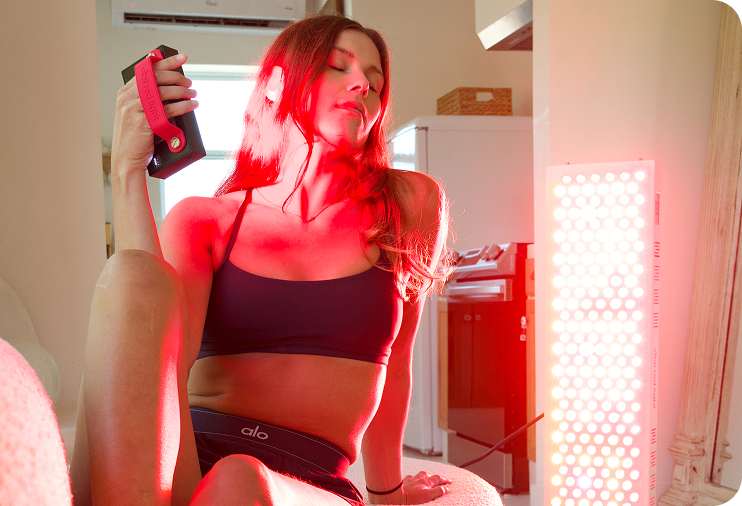
Cold sores are common, painful, and frustratingly stubborn. They show up at the worst times, take over a week to heal, and tend to come back again and again. So it's no surprise that people are looking at red light therapy for cold sores as a possible way to get relief. Does it actually work? The short answer: research suggests it can help ease pain, speed up healing, and even cut down how often cold sores return. It won't cure them, but it may make living with them a lot easier. Here's what the science says.
What Causes Cold Sores?
Cold sores are caused by the herpes simplex virus, usually type 1 (HSV-1). Once the virus enters your body, it stays for life. It hides in your nerve cells and flares up now and then, often triggered by stress, illness, sun exposure, or a weakened immune system.
A typical outbreak follows a pattern. First comes a tingle or itch on or near the lip. Then a small blister or cluster of blisters appears. The blisters break, weep, and finally crust over before healing. The whole cycle can take 7 to 10 days.
Because the virus never fully leaves, there's no cure. That's an important point. The realistic goal isn't to get rid of cold sores forever, but to heal them faster, hurt less, and have them show up less often.
What Is Red Light Therapy and How Could It Help?
Red light therapy, also called photobiomodulation, uses red and near-infrared light to reach the cells in and under your skin. The light doesn't burn or heat the tissue. Instead, it gives your cells a gentle nudge.
Here's the simple version. The light helps cells produce more energy, a fuel called ATP. With more energy, cells can calm inflammation, repair tissue, and heal more quickly. For a cold sore, that can mean less pain, faster scabbing and healing, and in some cases fewer outbreaks over time.
One thing red light does not do is kill the dormant virus living in your nerves. It works on the outbreak itself, not the root infection. So think of it as a tool to manage flare-ups, not a way to erase the virus.
What the Research Says
This is where red light therapy earns real attention, because the evidence is stronger than you might expect.
The clearest picture comes from a 2022 systematic review and meta-analysis that pooled data from eight studies and 928 patients. It found that laser light therapy reduced the average healing time of cold sores by about 1.37 days. Shaving more than a day off a painful outbreak is a meaningful result.
Red light may also help prevent outbreaks, not just treat them. A 2-year randomized controlled study followed 158 people who received a course of preventive light therapy sessions. The group treated with a lower 1-joule dose saw the best results, with fewer cold sores per year and less severe lesions when they did appear. That points to red light as a possible way to reduce how often the virus flares up.
It can also work alongside standard medication. A 2024 randomized trial tested light therapy added on top of acyclovir, a common antiviral cream. Patients who got both had lower pain at two and three days, and smaller lesions by days 7 and 10, compared to those using the cream alone. In other words, red light didn't replace the medicine, it made the overall result better.
More recent work continues in this direction. A 2024 double-blind trial compared red light at 650 nanometers against acyclovir cream, tracking both pain and recovery time, adding to the growing case that light therapy belongs in the conversation.
The honest caveat: most of these studies used clinical laser devices set to specific wavelengths and doses. That matters when you think about trying it yourself.
What to Know Before You Try It
Not every red light device is the same, and the results in these studies came from proper equipment used correctly. A cheap gadget that puts out weak light or skips the right wavelengths may do very little.
If you want to try red light therapy at home, a few things matter. Look for a device that uses clinically studied wavelengths, roughly red light around 630 to 660nm and near-infrared in the 800s. Check that it actually lists its power and wavelengths, since trustworthy makers publish those numbers. And know that timing helps: starting at the very first tingle, before the blister forms, tends to give the best shot at a milder, shorter outbreak.
Red light can also be used right alongside antiviral creams or pills. You don't have to choose one or the other, and the research suggests combining them may work better than either alone.
Is It Safe?
Red light therapy is non-invasive and generally very well tolerated, with few side effects reported. That's a big part of its appeal.
Still, use common sense. Because cold sores sit close to the eyes, protect your eyes from direct light during treatment. If you have frequent or severe outbreaks, or any underlying health condition, talk to a doctor or dentist before starting. Red light is best seen as a helpful add-on, not a replacement for medical care.
The Bottom Line
The evidence for red light therapy for cold sores is genuinely promising. Studies show it can ease pain, speed healing by more than a day, and may even reduce how often outbreaks strike. What it can't do is cure the virus, since that stays in your body for life.
Used early, with a quality device, and ideally alongside your usual treatment, red light therapy can be a smart tool for managing cold sores. If outbreaks are a regular problem for you, it's worth asking your doctor whether it could fit into your routine.
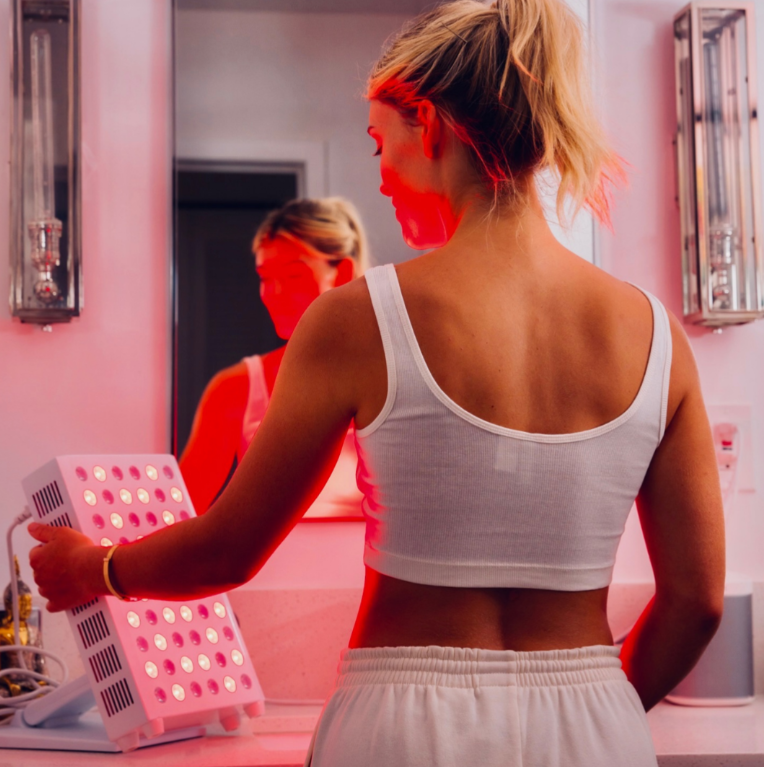
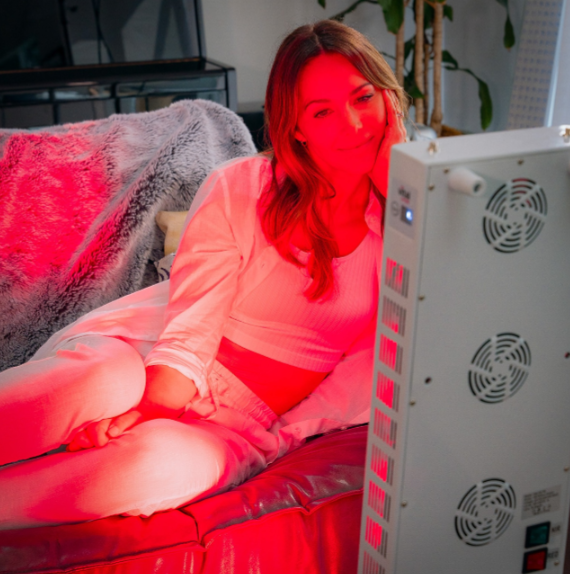
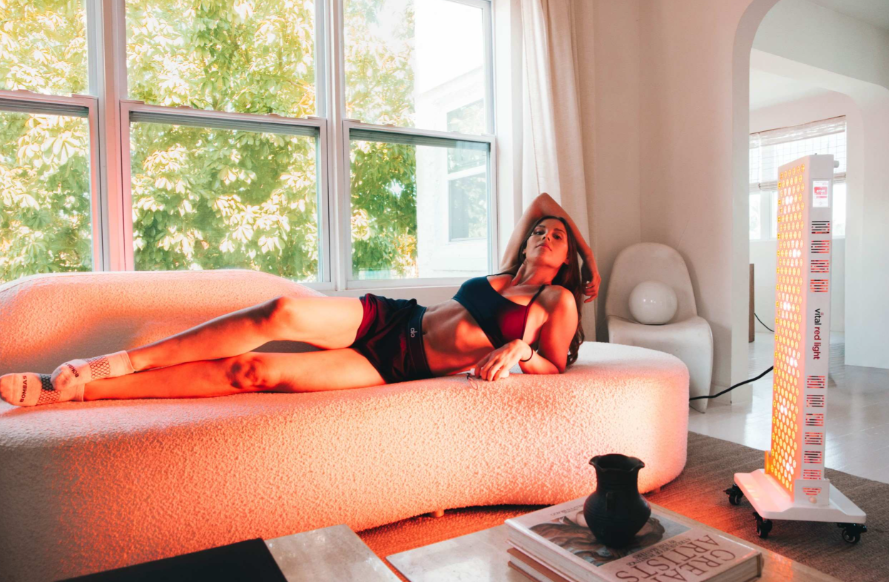
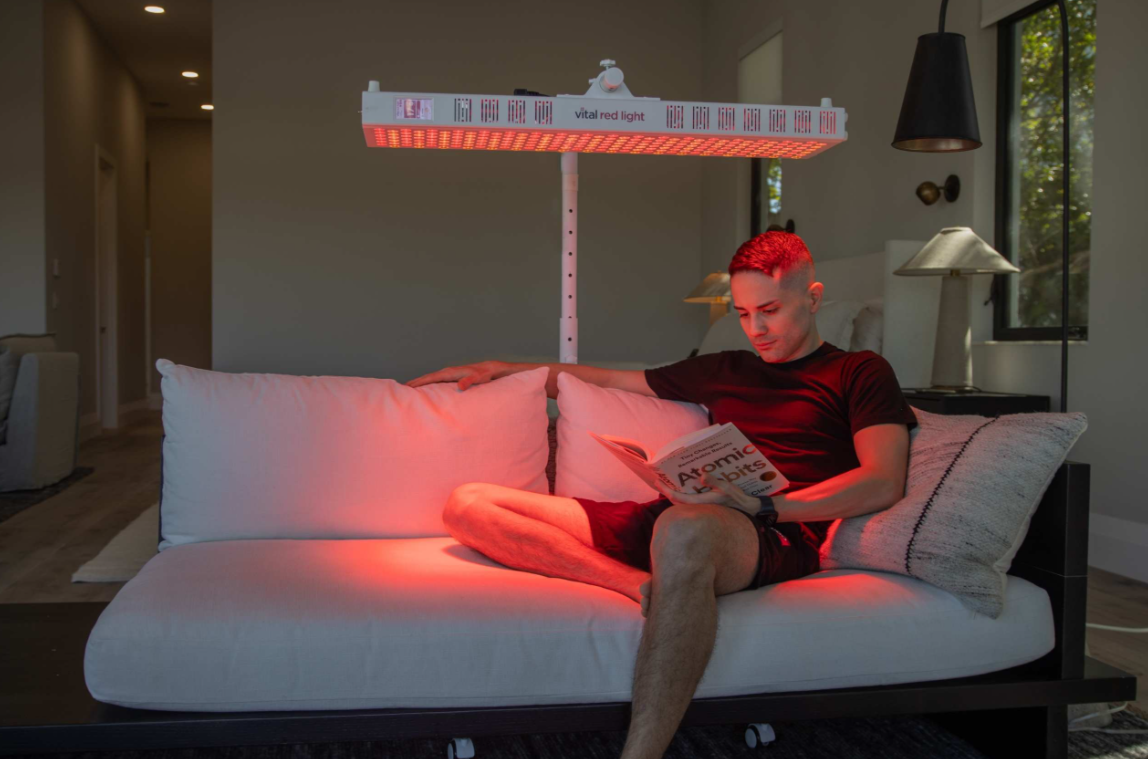
The catch, as the research makes clear, is that results come from devices built to the right standard. That's where Vital Red Light comes in. Our panels use the clinically studied red and near-infrared wavelengths at the kind of power that actually reaches your skin, with the specs published so you know exactly what you're getting. If you're ready to take cold sores on at the first tingle, three options are worth a look: the Vital Charge for grab-and-go use, the Vital Pro 2.0 as a do-it-all panel, and the Vital Elite for the most coverage. Find the one that fits your routine and start treating outbreaks the moment they begin.
Share


See More Blog Posts
Explore Red Light Devices


Follow vitalredlight
Get 10% OFF
Your First Device
Join 200,000+ subscribers for exclusive discounts, science deep-dives, and
protocols from clinical experts.
By subscribing you agree to our Privacy Policy. We never sell your data. Discount applies to first-time purchases only.

Medical-grade red and near-infrared light therapy for at-home use. Clinically validated. Third-party tested. Built to last.


General
- Home
- Shop
- Reviews
- Blog
- Red Light for Business
- Vital App
- Contact Us
Learn
- About us
- How it works?
- Third Party Testing & Certification
- Benefits
- Vs. Competition
- Discount Code
- Military & First Responder Discount
Help
- FAQ
- Wholesale
- Returns
- Warranty
- Affiliates
- Financing
- HSA/FSA
- Careers
Contact
- support@
vitalredlight .com - (844) 848-2575
- 474 SW 12th Ave,
Deerfield Beach, FL, 33442
© 2025–2026 Vital RLT LLC. Part of the Paradox Brands family.