


Red Light Therapy for menstrual and pelvic pain: What the Science Actually Says
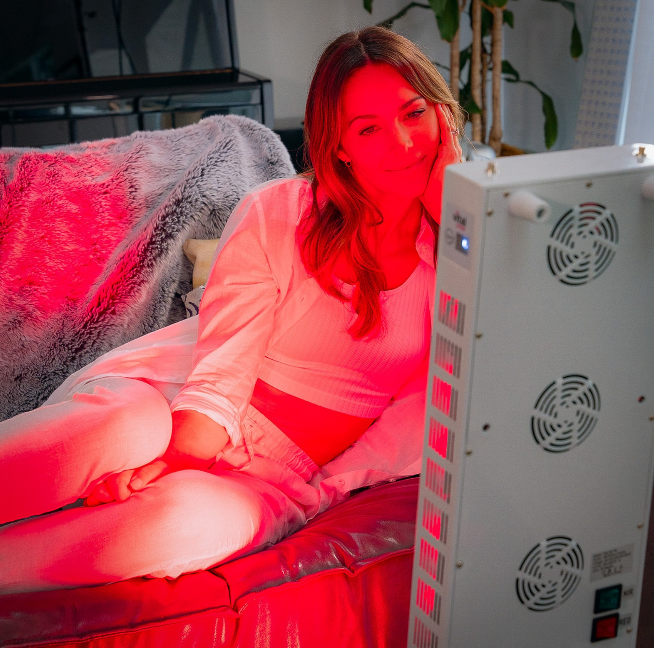
Advil, Motrin, Aleve, and Midol. Those brand names ring a bell? They should mostly because it’s what nearly every girl and woman uses to combat their menstrual and pelvic pains, whether dealing with period cramps, endometriosis, or chronic pain. But many out there don’t want to rely on Western, over-the-counter medication that they have to take every 4-6 hours to deal with their pain. Providentially, peer-reviewed research shows that red light therapy can be a means to an end for over-the-counter meds and the answer to many women’s prayers.
Please note: This article does not encourage you to stop taking pain medications such as Advil, Motrin, Aleve, or Midol. If they work for you, keep doing what works. This is meant to highlight another evidence-based option worth knowing about. Additionally, the information in this article is sourced from existing peer-reviewed research and is not intended as medical advice. Always consult your doctor or healthcare provider before making any changes to your pain management routine.
What Is Red Light Therapy?
Red light therapy (photobiomodulation (PBM)) uses specific wavelengths of red and near-infrared light to stimulate your cells to work better. It’s non-invasive, non-thermal, and has been used clinically for over 50 years.
The wavelength matters. Red light (600–700 nm) works on more superficial tissue. Near-infrared light (780–950 nm) goes deeper, which is why most research on pelvic pain uses both together.
How Does It Work?
Every cell in your body has mitochondria, tiny power plants that produce energy in the form of ATP. When red light hits your tissue, it activates a protein in your mitochondria called cytochrome c oxidase. That activation triggers a chain reaction:
- More ATP production, more cellular fuel
- Release of nitric oxide (NO), which relaxes blood vessels and improves circulation
- Reduced inflammatory chemicals (IL-6, IL-8, IL-1)
- Increased collagen and elastin production
- Tissue repair and regeneration signals
The simple version: red light wakes up your mitochondria, your cells get more energy, and they use it to reduce inflammation, increase blood flow, and repair tissue.
What Does This Have to Do With menstrual and pelvic?
A lot, actually.
Prostaglandins are hormone-like chemicals your body produces during menstruation to trigger uterine contractions. Too many prostaglandins mean contractions that are too strong, which restricts blood flow to the uterus and causes pain. This is the same mechanism ibuprofen targets.
A randomized controlled study compared red light therapy directly to the birth control pill for period pain in 69 women over 12 weeks. Both groups experienced significant, equivalent pain reduction. But researchers also measured what was happening metabolically, and found that red light therapy significantly reduced prostaglandin D2 levels, just like the pill.
It also increased levels of biliverdin, a natural anti-inflammatory compound that researchers describe as working similarly to ibuprofen, giving it a second pain-relief pathway the pill doesn’t offer.
Perhaps most notably, the red light group had significantly lower cortisol levels than the pill group. Elevated cortisol is associated with worsening chronic pain over time, and it’s a known side effect of hormonal contraceptives. Red light achieved the same pain relief without that trade-off.
The Research on Chronic Pelvic Pain
A pilot study treated 13 women with chronic pelvic pain using a transvaginal red light device over nine sessions. Results showed:
- 60% of participants improved significantly
- Average pain reduction of 50%
- Effects sustained at both 3 and 6 months, not temporary relief
- No serious adverse events
The types of pain that improved most, aching, cramping, sharp, stabbing, are the exact descriptors most commonly used by women with endometriosis and pelvic conditions.
What About Endometriosis Specifically?
A study across 24 U.S. gynecology practices analyzed 48 women with confirmed endometriosis who received transvaginal PBM over eight weeks. The findings:
- 58% achieved clinically meaningful pain reduction, defined as a 2+ point drop on the pain scale, the threshold at which patients actually feel a real difference
- Women reporting moderate to severe pain dropped from 85.5% to 43.8%
- Improvements showed up across every pain category: sex, urination, bowel movements, exercise, sitting and standing
- For anyone living with endometriosis, that list represents the full picture of how the condition affects daily life. These aren’t just statistics; they reflect being able to move through a day with less pain.
Is It Safe?
Yes, with context.
No studies have found evidence of tissue damage, DNA damage, or cancer risk from PBM at therapeutic doses. Research on vaginal tissue applications found temperature changes averaged just 0.6°C, well within safe limits, and no serious adverse events were reported across any of the studies reviewed.
The honest caveats: the FDA has not approved PBM devices specifically for gynecological conditions. Most of the research uses clinical-grade transvaginal devices, not the at-home panels most people have access to. At-home devices can offer benefits, but reaching pelvic organs requires the depth and power output of clinical equipment. Manage expectations accordingly.
Vital Red Light is here to help.
If you’re looking to explore red light therapy at home for menstrual or pelvic pain, the Vital Pro 2.0 is worth considering. It delivers both 660nm red and 850nm near-infrared light, the same wavelengths studied in the research, with deeper penetration than standard devices. Position it over your lower abdomen during treatment. For a more accessible entry point, the Vital Charge is a handheld option that lets you target specific areas. As noted throughout this post, at-home devices and clinical-grade equipment are different, but consistent targeted use is where the evidence points.
The Bottom Line
The research shows red light therapy reduces prostaglandins as effectively as the birth control pill, produces lasting pelvic pain relief, and meaningfully improves quality of life for women with endometriosis, without the hormonal side effects of pharmaceutical options.
It’s not a cure. It’s not ready to replace medical care. But for women looking for evidence-based complementary support for hormonal pain, the research is genuinely worth paying attention to.
Talk to your provider before starting, especially if you have a complex condition like endometriosis. And if you’re using an at-home device, know that clinical results come from clinical-grade equipment; not all devices are created equal.
Share


See More Blog Posts



Explore Red Light Devices


Follow vitalredlight
Get 10% OFF
Your First Device
Join 200,000+ subscribers for exclusive discounts, science deep-dives, and
protocols from clinical experts.
By subscribing you agree to our Privacy Policy. We never sell your data. Discount applies to first-time purchases only.

Medical-grade red and near-infrared light therapy for at-home use. Clinically validated. Third-party tested. Built to last.


General
- Home
- Shop
- Reviews
- Blog
- Red Light for Business
- Vital App
- Contact Us
Learn
- About us
- How it works?
- Third Party Testing & Certification
- Benefits
- Vs. Competition
- Discount Code
- Military & First Responder Discount
Help
- FAQ
- Wholesale
- Returns
- Warranty
- Affiliates
- Financing
- HSA/FSA
- Careers
Contact
- support@
vitalredlight .com - (844) 848-2575
- 474 SW 12th Ave,
Deerfield Beach, FL, 33442
© 2025–2026 Vital RLT LLC. Part of the Paradox Brands family.