Red Light Therapy Devices vs. In -Office Treatments: What's the Difference
Your dermatologist charges $150 a session. A quality red light therapy device runs anywhere from a few hundred dollars to several thousand, but you only pay once. So which one actually gets you results? The gap between red light therapy devices you use at home and the systems clinics charge a premium for isn't as wide as it seems, but it isn't zero either. Here's what the research actually shows.
How Red Light Therapy Devices Work Compared to In-Office Systems
Red light therapy, formally known as photobiomodulation, uses non-ionizing light in the red and near-infrared range to trigger biological responses in tissue without generating heat. Clinical systems and consumer red light therapy devices rely on the same underlying science, but they don't always deliver light the same way.
In-office systems, especially those built around lasers, use coherent, focused beams that can be aimed with precision. Consumer devices typically use LEDs, which spread light across a broader surface area. That difference in delivery affects how deeply the light penetrates and how evenly it covers the treatment area.
The Technology Inside Red Light Therapy Devices
Most red light therapy devices sold for home use are LED-based rather than laser-based. LEDs are less expensive to produce and safer for unsupervised use, which is part of why they dominate the consumer market. Clinical settings sometimes still use laser systems for targeted applications, but LED-based panels, masks, and handhelds have become the standard for at-home photobiomodulation.
Irradiance and Dosing: Where Red Light Therapy Devices Fall Short of Clinical Systems
This is where the comparison gets more nuanced. Photobiomodulation follows a biphasic dose response, meaning more light isn't automatically better. Research on red light therapy device selection points to devices that specify correct wavelengths for absorption and report irradiance and fluence within the therapeutic window, while cautioning that devices lacking those specifications may not meaningfully engage the biological pathways involved.
Clinical systems are often built to hit a specific, consistent dose every session. Many consumer red light therapy devices vary more in output, which means results can be less predictable from one device to another, even at similar price points.
Why Dosing Consistency Matters More Than Raw Power in Red Light Therapy Devices
A device that outputs more raw power isn't necessarily more effective. What matters is the total energy delivered to tissue, known as fluence, and whether it falls within the range shown to produce a positive response. Overshooting that range with a high-powered device, whether it's used at home or in a clinic, can produce diminishing or even negative results rather than better ones.
Cost and Accessibility: Red Light Therapy Devices vs. Clinic Visits
Cost is one of the clearest differences. A single in-office photobiomodulation session can run well beyond what most people would spend on an at-home device over its entire lifespan. That price gap is a major reason red light therapy devices have grown so quickly in the consumer market.
The rise of home-based light therapy devices has been described as democratizing access to this treatment approach, giving people more control over their skin health without requiring a clinic visit for every session. That accessibility also means more consistent, frequent use is realistic for people who can't fit regular appointments into their schedule.

Safety Considerations for Red Light Therapy Devices Used at Home
Photobiomodulation is generally considered safe and non-invasive, but that doesn't mean every precaution clinics take is optional at home. Eye protection is recommended, particularly with near-infrared wavelengths, and session length still matters given the dose-response relationship discussed above.
Red light therapy devices are meant to complement medical care, not replace it, especially for anyone managing an existing condition. If you're unsure whether a specific health concern is appropriate for at-home treatment, that's a conversation for a clinician rather than a product page.
What the Research Says About At-Home Red Light Therapy Devices
The research on home use isn't just theoretical. In one set of case studies, patients treated post-surgical scars daily at home using a near-infrared LED device, and researchers observed significant improvement compared to untreated control areas with no significant treatment-related adverse effects. That's a meaningful data point for anyone wondering whether unsupervised, at-home sessions can produce measurable results.
Which Red Light Therapy Devices Come Closest to Clinical Results
Not every red light therapy device on the market is built the same way, and that's exactly why independent testing matters. The devices that come closest to clinical-grade performance are the ones that publish real wavelength and irradiance specs rather than vague marketing claims, and that maintain consistent output session after session.
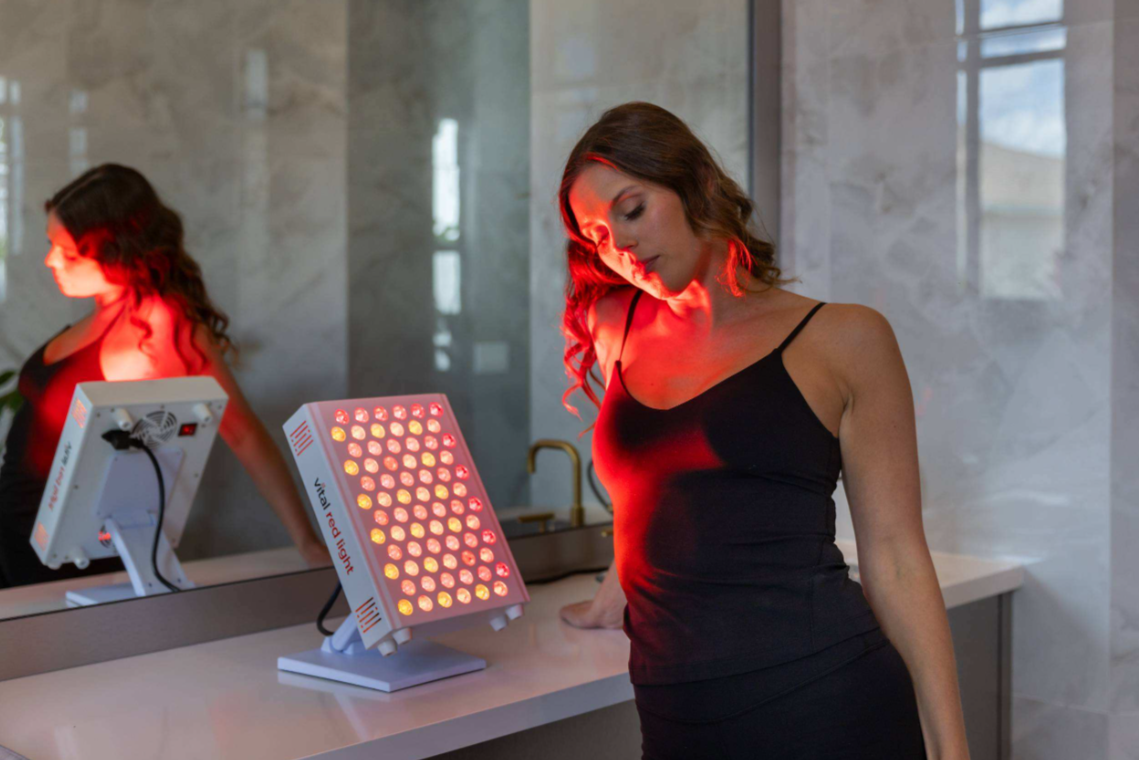
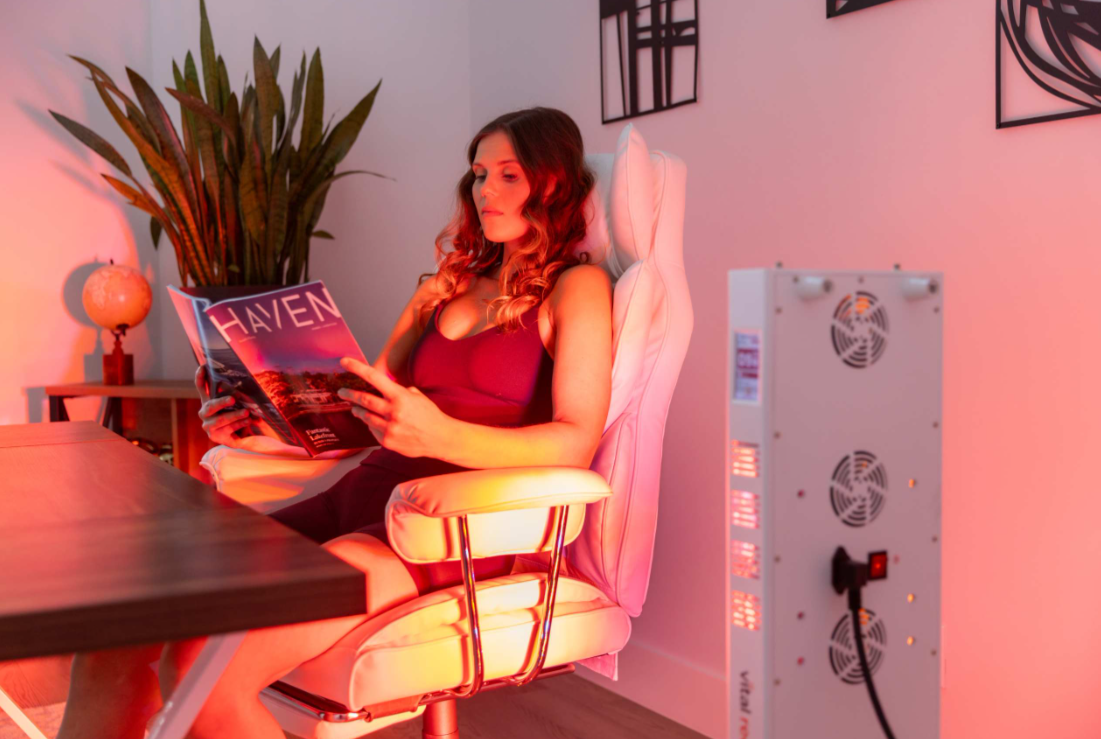
This is also where format matters. Panels tend to offer broader, more even coverage for larger areas of the body, while masks and handhelds are built for more targeted or facial applications. The right choice depends less on brand name and more on whether the specs match what the research supports.
The Bottom Line on Red Light Therapy Devices vs. In-Office Treatments
In-office treatments still offer more targeted precision and tightly controlled dosing, particularly for clinical or post-procedure applications. But for general skin health, recovery, and everyday use, well-specified red light therapy devices can deliver meaningful results at a fraction of the cost, especially when used consistently.
The gap between clinical and consumer technology has narrowed significantly. The devices that close that gap most are built around real data, not marketing language.
Ready to bring clinical-grade results home? Vital Red Light devices are built around the same wavelength and irradiance standards the research points to, with options for every routine and budget. Explore the full Vital Red Light lineup to find the device that fits your goals.
Share