Jessica Pegula Uses Vital Red Light Therapy for Her Recovery Routine
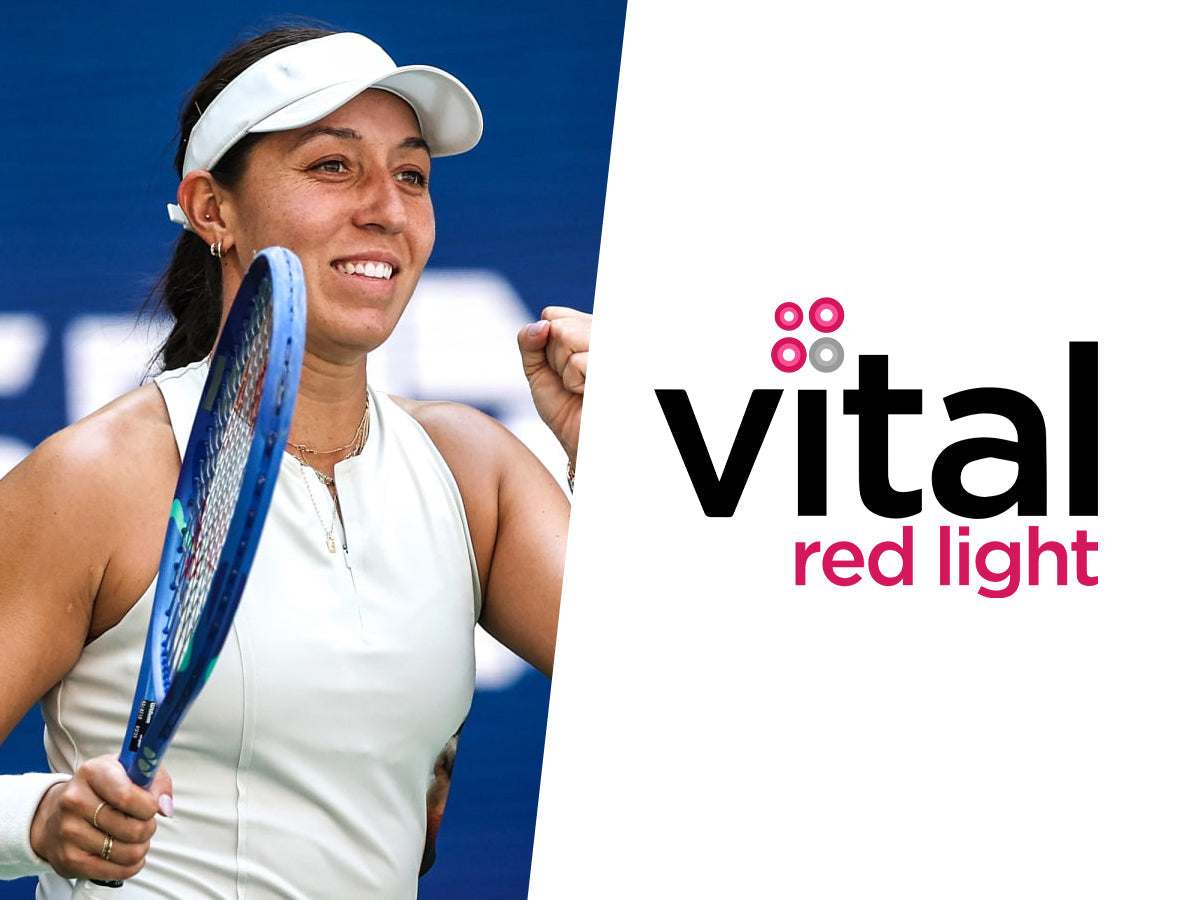
Recovery is absolutely a huge part of sport and wellness. Your body needs time to recover after it's been worked, and red light therapy is one of the options you can look at as part of that recovery process.
How does it fit into an athlete's regimen? Ask Jessica Pegula, the American pro tennis player and 18-time WTA title winner (11 singles, 7 doubles). We've given her a few of our Vital Red Light products to support her recovery as she competes at the top of the game.
Pegula and her trainer John Opfer were both looking at red light therapy, and their research led them to Vital Red Light. In our chat with her, she named Vital Red Light one of her favorite red light therapy brands. "I definitely recommend it," she said.
With a Vital Bed, a Vital Elite 2.0, and a Vital Charge at home, Pegula has a number of ways in which she can incorporate light therapy into her routine. Read on to find out why recovery is so important, how red light therapy may be of benefit post-workout or post-match, and what Pegula's experience means to us.

Why Recovery Matters to Jessica Pegula
For Pegula, looking after her body is as much part of looking after her career as training and competing. The demands of training and competing are immense, and she knows that recovery has to be part of her schedule.
"Recovery is absolutely vital as a professional athlete because you have to look after your job, look after your career, and your body is the main thing in that. If you're not healthy, you're not going to be able to do it at the level that you're capable of."
You don't need to be a pro athlete to appreciate that feeling. If you're someone who enjoys being active, then you want your body to be primed and ready for the next session, the next game, the next fitness objective you've been working towards.
How Jessica Pegula Found Red Light Therapy
Pegula's search for a recovery tool was led by someone who knows the sport inside out, her trainer John Opfer. They both looked at red light therapy, and that research took them to Vital Red Light.
"I started looking into it, and he was looking into it, and that's how he came across Vital Red Light," Pegula said.
We'd recommend knowing what you're looking for in a recovery tool and how it fits into your own workflow prior to going out and looking for one.
Why Your Body Needs Recovery After a Match or Hard Workout
Repeated sprints, quick stops, changes of direction, and tough strength work will, of course, leave the muscles fatigued and sore. The demands of exercise or the nature of the exercise itself can cause microscopic disruption to the muscle tissue, and this will lead to a temporary reduction in muscle function. The tenderness that appears a day or two later is often referred to as Delayed Onset Muscle Soreness (DOMS).
Perhaps your legs just feel a bit tender when you're going up the stairs, or your normal workout just seems a bit tougher than you'd expect. Those are the sorts of things that serve to remind you to be attuned to how you feel and how you move before you go and do another grueling session.
Give your body what it needs to recover. Make space for sleep and rest between hard sessions, replace the fluids you've lost through sweating, and eat enough to support your activity. Carbs will help to replenish your stored fuel, and protein provides the building blocks for muscle repair.
One thing to bear in mind if you're looking at red light therapy is that it's an addition to your existing habits rather than a substitute for them.
Can red light therapy help with muscle recovery after a workout?
You'll come across the term 'photobiomodulation' when you're doing your research into red light therapy. It's the use of light (red and near-infrared wavelengths in particular) to affect biological activity. The research is into how that light interacts with the cellular energy processes and with the signals that are part of the body's response to exercise. So what does that mean for you after a hard workout?
It May Help Ease Post-Workout Soreness
A 2025 systematic review and meta-analysis looked at light therapy applied post-exercise to induce DOMS. The pooled analysis found reduced soreness at 72 and 96 hours as compared to placebo. Only four studies were included in that analysis, and the treatment protocols were all very different.
There's certainly some reason to be interested, but the results are mixed. In a 2022 study looking at repeated sprints with targeted laser and LED treatment, there was a reduction in calf soreness (with no significant effect on overall soreness, jumping, or agility). The study did, however, show a reduction in perceived soreness and an increase in readiness to perform. Feeling comfortable and being ready to go are two very different aspects of recovery.
It May Support the Return of Muscle Strength
The same 2025 review found improved muscle strength at 24 and 48 hours under the conditions studied. That's important because recovery is also about getting back the strength you need for your next session.
The results are encouraging but don't mean that every light therapy device will produce the same outcome. The device and the way it's used are important. A good deal of the positive research is around targeted treatment to specific muscles. A separate review of whole-body light therapy, however, found no evidence of any benefit for exercise recovery or performance in five separate studies. Those are the results of targeted treatment and shouldn't be extrapolated to every panel or bed.
The Convenience Surprised Her Most
A recovery tool also has to fit into the user's day. When Pegula was talking about the Vital Red Light panels, ease of use was a major selling point.
"I mean I can be doing anything and have it on," she said. "Sometimes it's quite difficult to quite get it all incorporated, and I think the sheer convenience of it actually surprised me."
You'll probably be familiar with the situation where you go out and buy something for your self-care regimen and then find it's incredibly difficult to actually get around to doing it. Having a device that works within the confines of your space and your schedule is one way of making it a bit easier to actually incorporate it into your day.
The Vital Red Light Devices in Her Routine
We gifted Pegula three device formats: the Vital Bed, the Vital Elite 2.0, and the Vital Charge. Here's how they differ.
Vital Bed for Full-Body Sessions
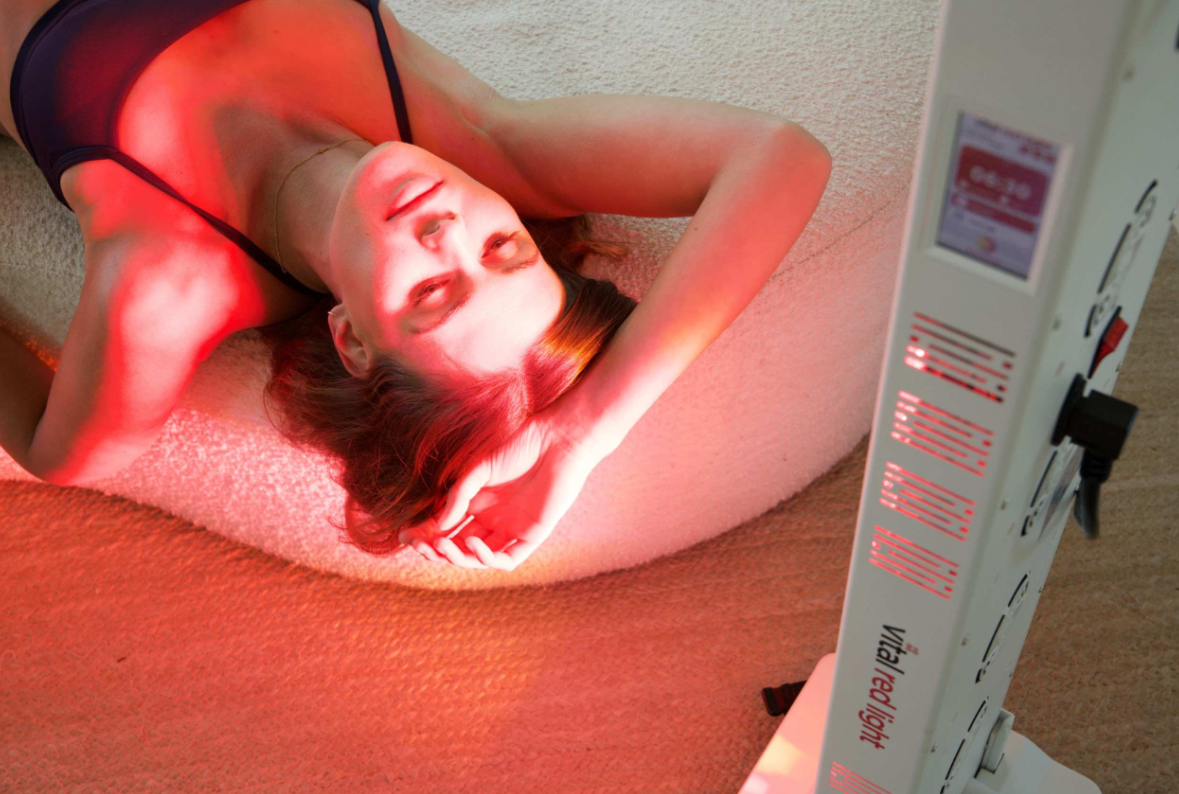
The Vital Bed is a bed base with an overhead light panel for full-body sessions. You lie down to use it, so it's an option for someone who wants a dedicated space for light therapy.
Vital Elite 2.0 Panel
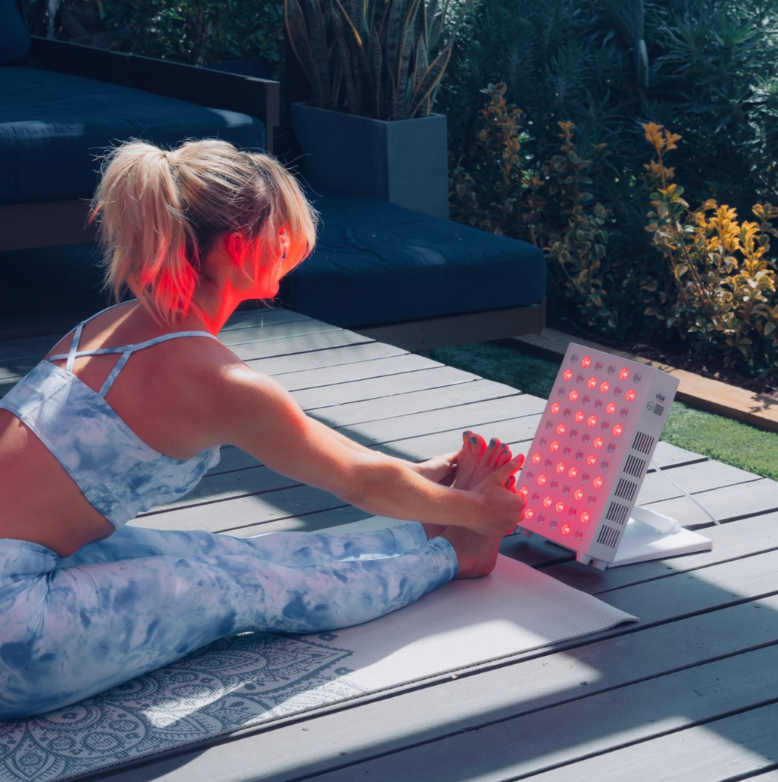
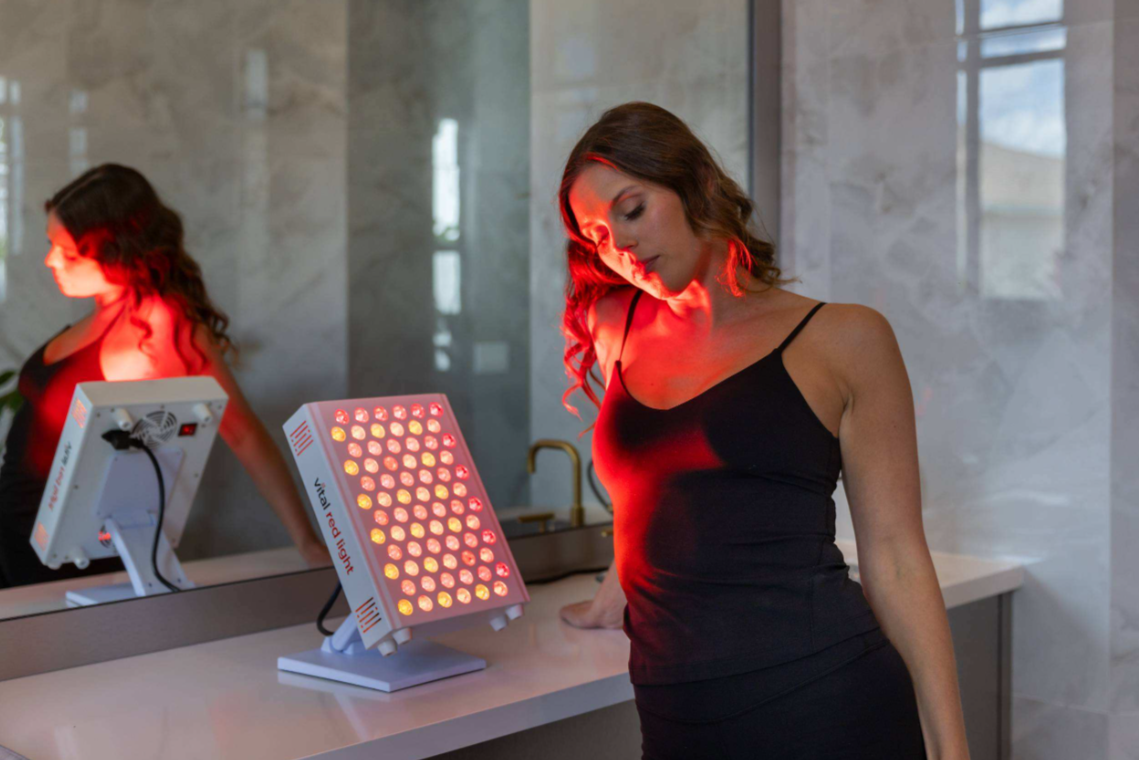
The Vital Elite 2.0 is a standalone panel. If a panel is a better fit for your space than a bed system, it's another way of bringing light therapy into your day.
Vital Charge for Targeted Use
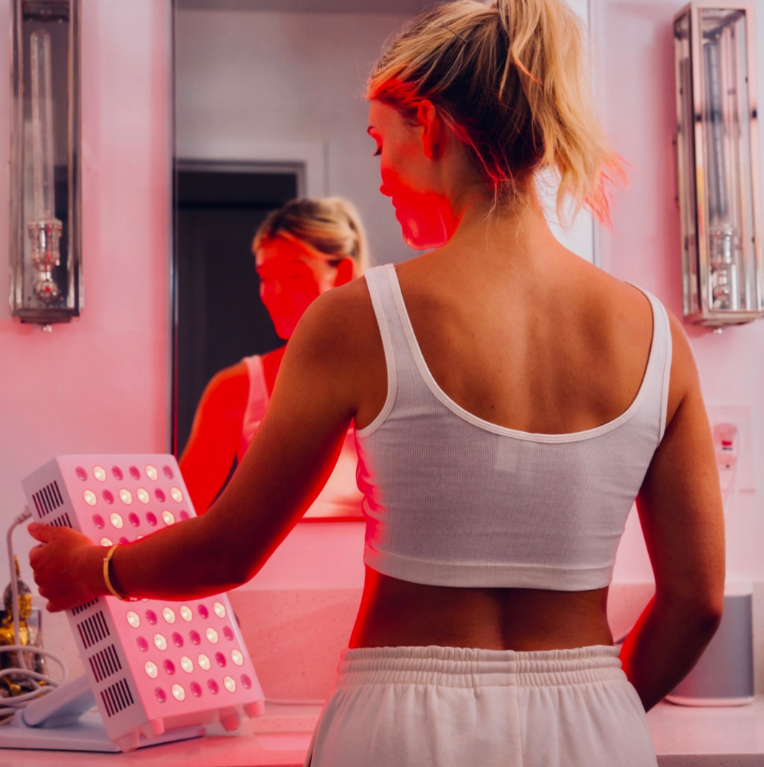
The Vital Charge is our portable, handheld unit for targeted application. The small form factor is an option for those who would rather have a smaller device than a larger panel or bed system.

What Jessica’s Experience Means to Us
We're absolutely thrilled to see Vital Red Light making its way into the sporting world, and we're very proud that an athlete who takes recovery so seriously has incorporated our products into her regime. It's great to hear that our panels integrate so easily into her day, which is such a positive thing for us.
Pegula's recommendation is based on her own experience and not on any objective measurement of faster recovery or better performance. If you're a pro athlete or just someone trying to get in a workout around the rest of your life, then you're going to want products that are easy to understand and easy to use.
Give Recovery a Place in Your Routine
You put effort into your workouts, so give some of that same attention to what comes afterward. Rest. Refuel. Hydrate. Give yourself time to recover before the next session.
What devices does Pegula use? Check out the Vital Red Light range and see which format works best for you and your environment. Always refer to the instructions that come with your device regarding session length, treatment distance, and eye protection.
Frequently Asked Questions
Who is Jessica Pegula?
Jessica Pegula is a US Pro tennis player with 18 WTA titles (11 in singles, 7 in doubles). Her career-high singles ranking was No. 3 in October 2022, and she was the runner-up at the 2024 US Open.
Does Jessica Pegula use Vital Red Light?
Yes, we gifted her the Vital Red Light products as part of her recovery regimen, and she has since publicly recommended the brand.
Which Vital Red Light devices does Jessica Pegula use?
Her routine is the Vital Bed, the Vital Elite 2.0 and the Vital Charge.
What is the Vital Charge used for?
The Vital Charge is a portable handheld red light therapy device for use on small areas. Just follow the instructions in the product leaflet as to session length and eye protection.
Can red light therapy help after a hard workout?
Some research suggests it may help to reduce delayed onset muscle soreness and aid the return of strength. The results are very much dependent on the device, the dose, the area being treated, and the timing of the treatment. Evidence from targeted treatments does not necessarily translate to the same benefits with whole-body devices.
This article shares Jessica Pegula’s personal experience and is for informational purposes only. It is not medical advice.
Share