Red Light Therapy in Winter: How to Build a Routine for Darker Days
Quick Answer
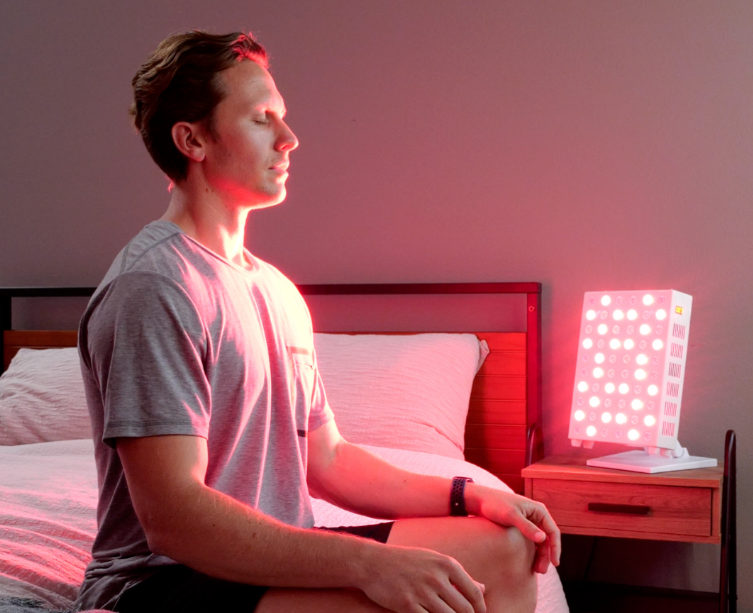
A good winter red light therapy routine is short, consistent, and easy to repeat: most people do a session of about 10 to 20 minutes, three to five times a week, at the distance their device's manual recommends. Pick a device you will actually use when it is cold and dark, anchor sessions to an existing habit, and keep realistic goals. Red light is not a replacement for a 10,000-lux light box or medical care for seasonal depression.
Key Takeaway
Your best winter device is the one that fits your space and schedule. Compare coverage, session time, and setup effort before you buy, then build the routine around one fixed moment in your day.
While the cold never bothered Elsa, it's bothering us. But not in the way you'd expect. Studies show that when winter hits, our bodies are negatively impacted. For example, as temperatures drop, so do activity levels, which can aggravate chronic aches and joint stiffness. For those who love having moisturized and glowing skin can kiss that goodbye, as cold winter air strips moisture from the skin, causing it to become dry and dull.
On the bright side, red light therapy can combat many of the negative effects of winter, but it requires consistency, which is key. We highly recommend taking advantage of our upcoming holiday deals to secure the Vital Red Light device you want and ensure your body is in the condition you want this winter.

Why winter is a natural time to start
Shorter days usually mean more time indoors. Dry indoor heat and cold wind are hard on skin, and colder weather can make muscles feel stiff after workouts. Many people also simply want a calm, screen-free ritual on dark evenings.
Red light therapy (also called photobiomodulation) uses red and near-infrared wavelengths of light. Research on specific devices has looked at outcomes such as skin appearance. For example, a controlled trial published in Photomedicine and Laser Surgery (Wunsch and Matuschka, 2014) reported improvements in skin complexion, skin feeling, and ultrasound-measured collagen density after 30 sessions given twice a week, compared with an untreated control group. Results like these depend on the device, dose, and consistency, which is why your routine matters.
What red light therapy is not: the seasonal mood question
If your main concern is low mood in winter, it is important to be clear. Seasonal affective disorder (SAD) is a medical condition, and the light therapy most studied for it is bright white light, not red light. Mayo Clinic describes typical SAD light boxes as providing 10,000 lux, used within the first hour after waking for about 20 to 30 minutes. A 2025 systematic review and network meta-analysis of 17 trials found white light was the most effective visible light for seasonal mood symptoms, with red light ranked last.
So enjoy red light therapy as part of a winter wellness routine, but if you are struggling with your mood, talk to a healthcare professional.
Choosing the right device for winter
The best device is the one you will actually use when it is cold and dark outside. Here is how the main formats compare.
Full-size panels
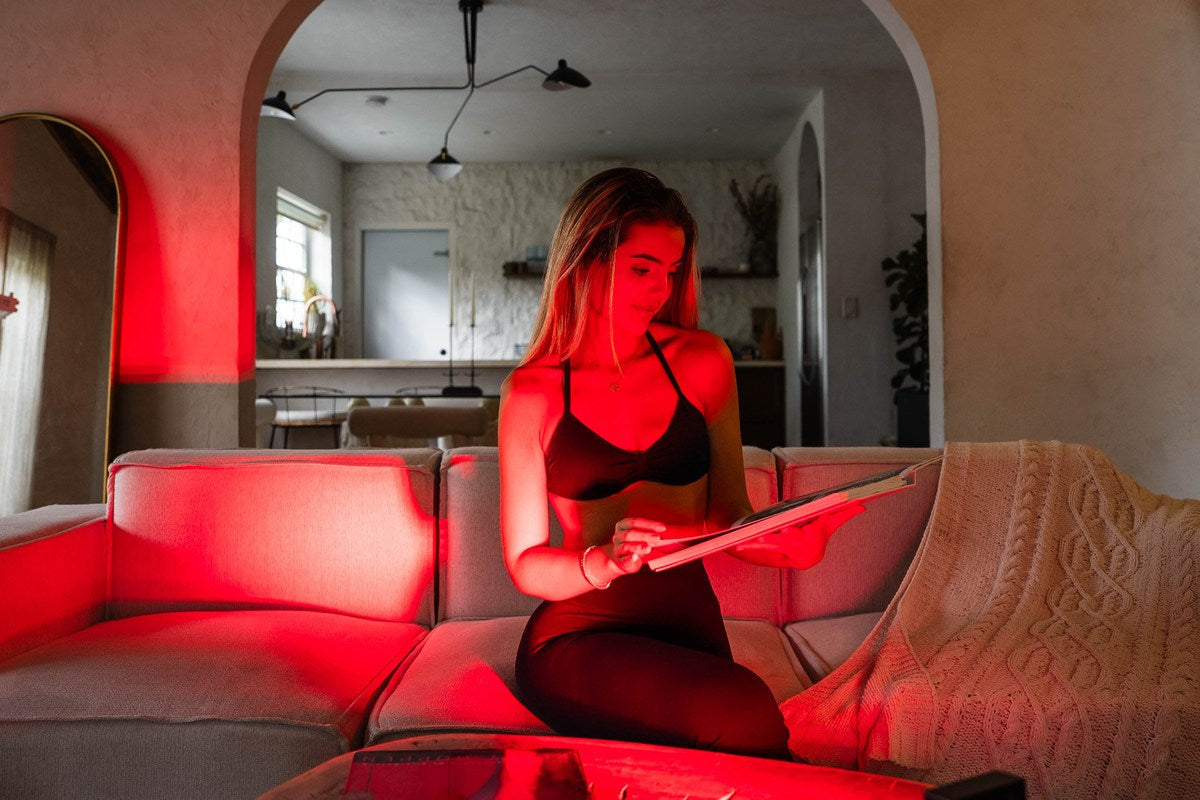
Panels cover a large area at once, which makes them a good fit if you want to treat your face, torso, or legs in one session. They need a dedicated spot (a wall, door, or stand), so check your space first. A multi-wavelength panel such as the Vital Pro 2.0 combines several red and near-infrared wavelengths in one device.
Smaller and portable devices
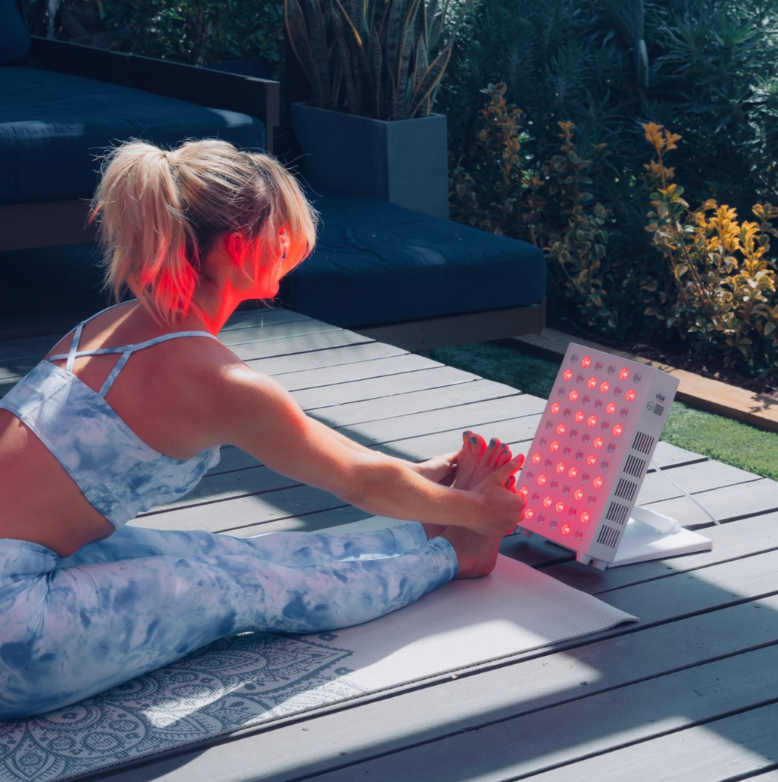
Compact devices are easier to store and move between rooms or take on holiday trips. They cover less area, so full-body sessions take longer, but they are great for targeted spots or small spaces.
Questions to ask before you buy
- Coverage: Do you want face only, or larger areas like the back and legs?
- Space: Where will it live, and can you leave it set up?
- Session time: How many minutes can you realistically commit on a weeknight?
- Wavelengths: Does it include both red and near-infrared?
- Safety and support: Does it come with clear instructions, eye protection, and a responsive support team?
Building your winter routine
How often and how long
Follow your device's manual first. Most at-home routines fall in the range of about 10 to 20 minutes per area, three to five times a week. More is not always better: photobiomodulation research describes a biphasic dose response, where too little does nothing and too much can reduce the benefit. Consistency over weeks matters more than long single sessions.
Anchor it to a habit you already have
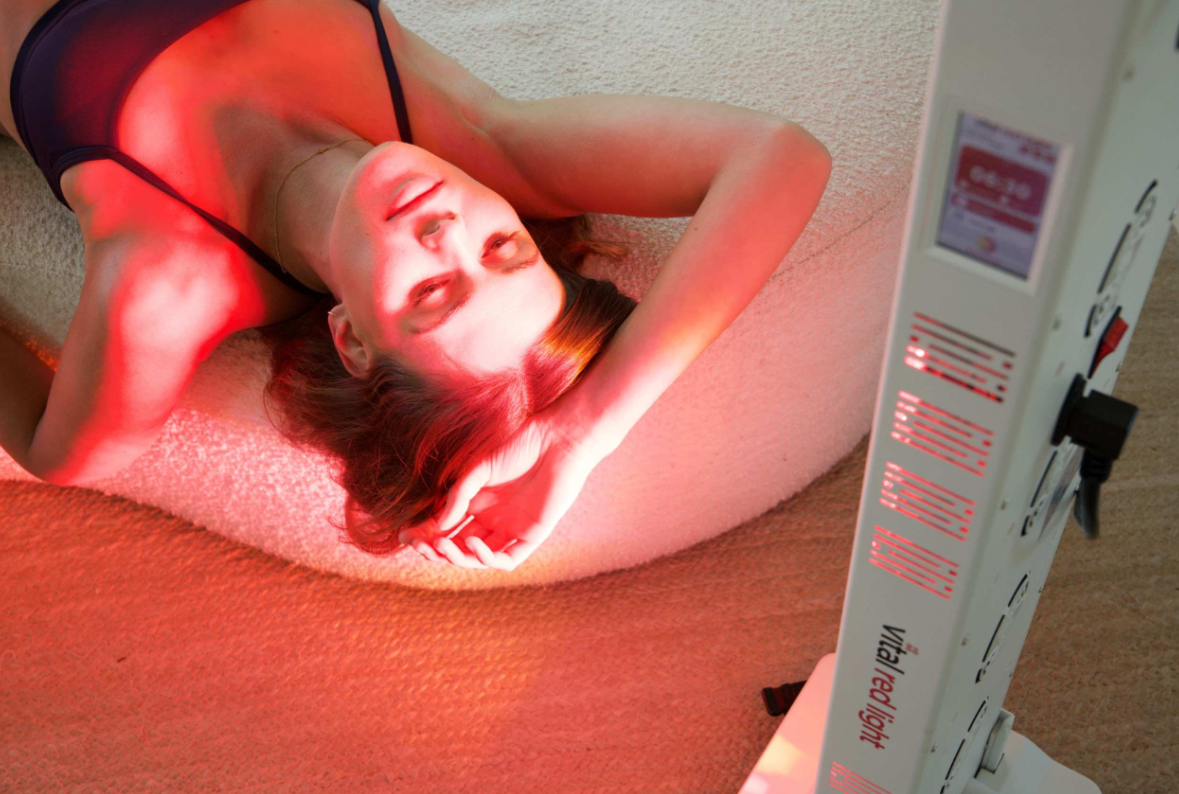
Pair your session with something you do every day: your morning coffee, your evening skincare, or the first 15 minutes after a workout. Keeping the device set up and visible removes the biggest barrier, which is setup time.
A simple weekly template
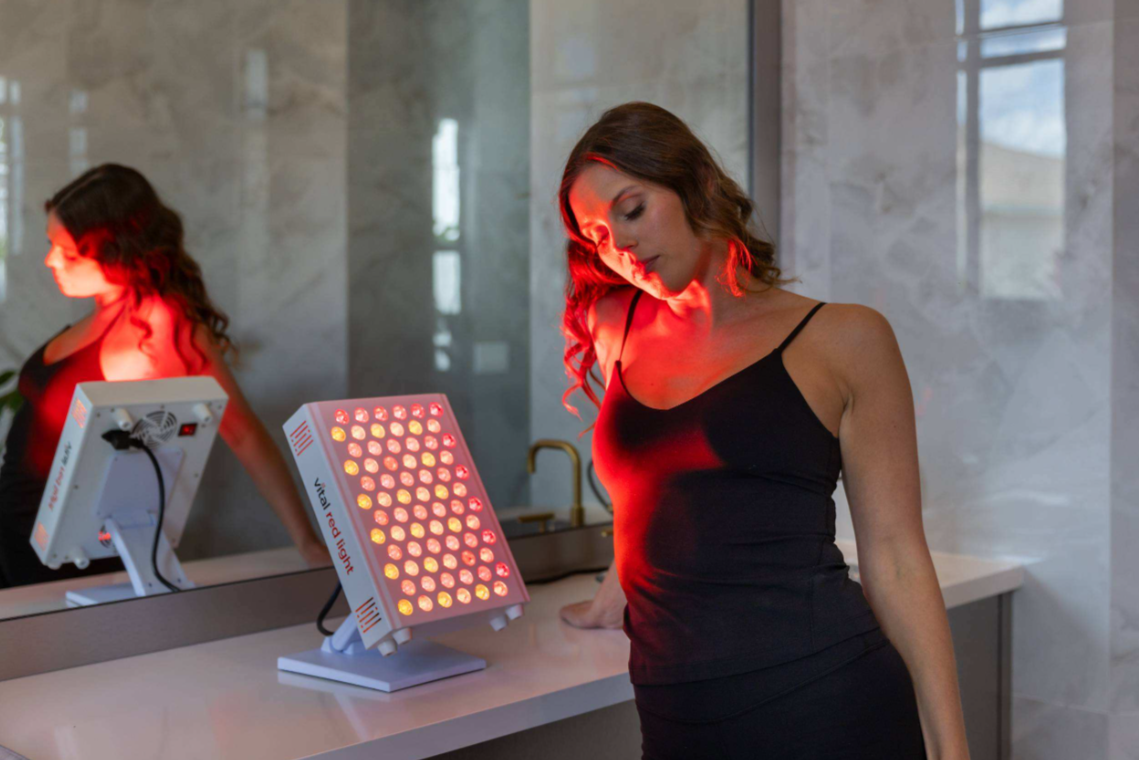
- Monday, Wednesday, Friday: Face and neck session during your evening skincare.
- Tuesday or Saturday: Larger-area session after a workout or walk.
- Sunday: Rest day and a quick check-in on how your skin and body feel.
Winter skin tips
- Start with clean, dry skin unless your device manual says otherwise.
- Follow sessions with a moisturizer to help with dry indoor air.
- If you use retinoids or photosensitizing medications, check with your doctor or dermatologist first.
Safety basics
- Wear the included eye protection and avoid staring directly into the LEDs.
- Keep to the recommended distance and session length.
- Talk to your healthcare provider before starting if you are pregnant, have an eye condition, take photosensitizing medications, or have a medical condition.
Frequently asked questions
Is it OK to use red light therapy every day in winter?
Many devices allow daily use, but three to five sessions a week is a common and sustainable target. Always follow your device's instructions.
Can red light therapy treat seasonal affective disorder?
No. Current research favors bright white light boxes for SAD, and red light performed worst in a recent meta-analysis. If you have symptoms of seasonal depression, speak with a healthcare professional.
Morning or evening: which is better?
The best time is the one you can stick with. Many people prefer evenings in winter as a calm, screen-free wind-down.
How long until I notice anything?
Skin studies typically run for weeks or months of regular sessions (the trial above used 30 sessions over about 15 weeks). Give your routine at least a month before judging it.
Start your winter routine with support
Not sure which device fits your space and goals? Our team can help you compare options. Reach us at support@vitalredlight.com or (844) 848-2575, or browse Vital Red Light devices.
This article is for general information only and is not medical advice. Red light therapy devices are not intended to diagnose, treat, cure, or prevent any disease.
Share